Replacing electronic modules in modern vehicles has become more complicated due to security systems implemented by manufacturers.
Many Volkswagen Group vehicles use security features such as component protection and SFD module locking to prevent unauthorized reuse of electronic modules.
When installing used modules from another vehicle, technicians must perform several adaptation procedures to ensure the module functions correctly.
Why Used Modules Require Adaptation
Each electronic module stores identification data linked to the vehicle in which it was originally installed.
When the module is installed in another vehicle, the system detects that the module belongs to a different VIN.
This triggers security systems such as component protection.
Without proper adaptation the module may operate in restricted mode or certain functions may be disabled.
Common Modules Replaced with Used Units
Some modules are commonly replaced with used units due to their high cost.
Examples include:
- infotainment systems
- instrument clusters
- gateway modules
- driver assistance control units
These modules often require online authentication before they can function properly.
Adaptation Procedure
To install a used module correctly technicians typically perform the following steps:
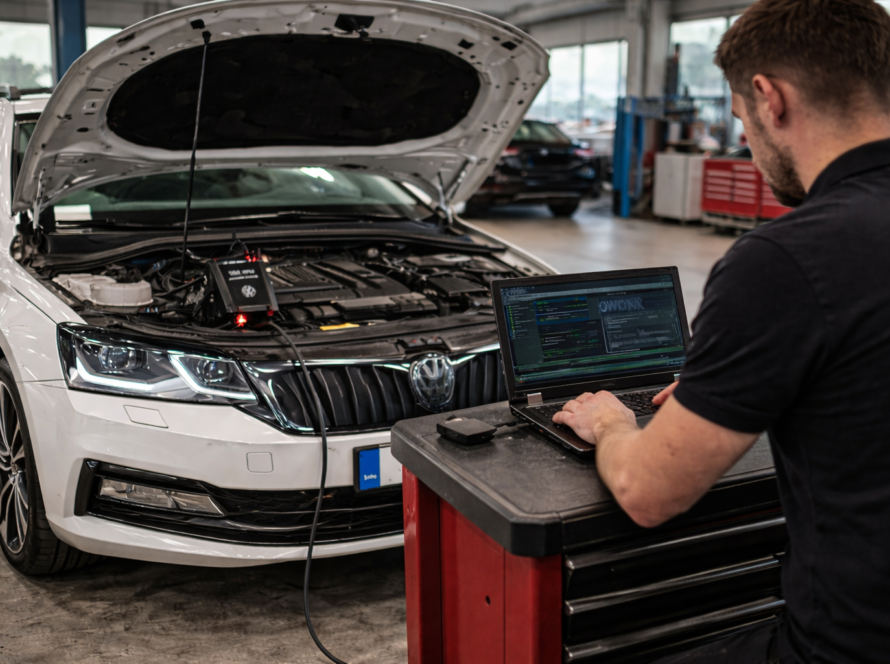
- connect diagnostic software to the vehicle
- identify the replacement module
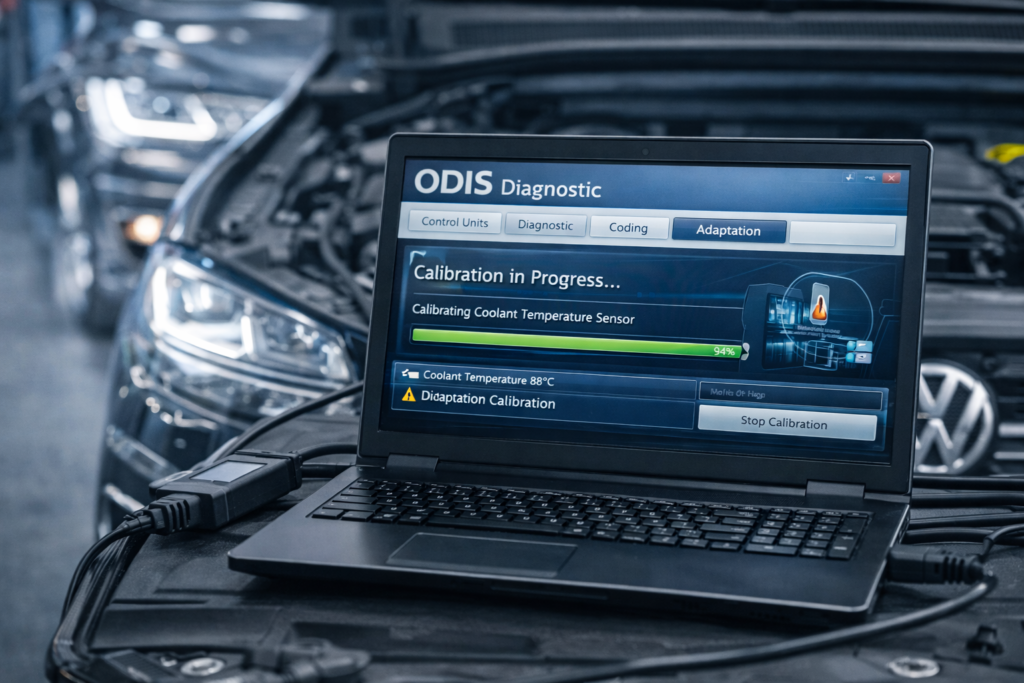
- perform coding and adaptation procedures
- remove component protection if necessary
Many of these procedures require communication with manufacturer servers.
Conclusion
Installing used modules in Volkswagen Group vehicles requires proper diagnostic tools and knowledge of vehicle electronic systems.
Using professional diagnostic software ensures that replacement modules are correctly adapted and integrated into the vehicle configuration.
Need help? We are here for you. whatsapp: +420773585568 mail: info@odisonline.eu
ODISONLINE.EU